 English
 Espanol
 简体中文
简体中文 Tagalog
 հայերեն
 한국인
한국인 Tiếng Việt
 فارسی
فارسی русский
 日本
日本 عربي
عربي
Open House
To receive information about our upcoming open house, sign up using the link below.
Program Overview
ASHP-Accredited Postgraduate Year One (PGY1) Pharmacy Residency Program, established in 1992, provides residents with a strong foundation in clinical practice and patient-centered pharmaceutical care. The program emphasizes excellence in evidence-based medication management, interdisciplinary collaboration, and professional development.
Building on this foundation, Huntington Hospital also offers advanced postgraduate training through the Postgraduate Year Two (PGY2) programs. ASHP-Accredited Postgraduate Year Two (PGY2) Infectious Diseases Residency Program, established in 2000, and the PGY2 Emergency Medicine Residency Program, established in 2007.
PGY1 Pharmacy Practice and PGY2 Infectious Diseases programs are accredited by the American Society of Health-System Pharmacists (ASHP), reflecting the institution’s commitment to maintaining the highest standards of pharmacy education and clinical training.
All residency programs at Huntington Hospital provide a supportive learning environment and a comprehensive curriculum designed to foster residents’ development as clinical practitioners, educators, and leaders in pharmacy practice.
PGY1 Application
Application Information
Huntington Hospital’s PGY 1 Program participates in the PhORCAS Application Service. We participate in the American Society of Health-System Pharmacists (ASHP) Resident Match Program. ASHP code is 92390 and NMS code is 128513.
Recruitment Showcase Events
- SoCal Showcase
- CSHP Seminar
- ASHP Midyear
Instructions for Applicants
Please refer to the ASHP residency directory for application deadline and information about the residency.
Requirements for Acceptance
All applicants must meet the following criteria:
- Match through the ASHP Residency Matching Program with Huntington Hospital.
- Hold a Doctor of Pharmacy (PharmD) degree from a ACPE-accredited school of pharmacy and maintain a competitive academic record in good standing GPA.
- Eligible to apply for licensure to practice pharmacy in the state of California within the first 90 days of start date.
- Fulfill all organizational requirements which include but are not limited to: background check (criminal and current/previous work history), physical exam (drug screening, TB test, hearing and vision test), provide documentation required for the residency position (e.g., Basic Life Support certification, proof of graduation).
Applicants will need:
- Curriculum Vitae
- Official academic transcript from pharmacy school
- Letter of intent
- 3 letters of recommendation submitted via PhORCAS
- Completed PhORCAS forms
Interview and Selection Process
All applicants will be screened and qualified candidates will be contacted for an interview. Applicants will be contacted via email.
General Residency Program Information
The salary for the resident is approximately $60,000. Benefits include 25 days of vacation/holiday time and 5 additional sick leave. Health (medical, dental, vision) and life insurances are also available. Time off will be provided for professional meetings.
Certification Upon Residency Completion
Upon successful fulfillment of all program requirements, residents will be issued a Certification of Completion. A certificate will not be granted if any program requirements remain unmet. Each case will be reviewed individually and handled in accordance with Huntington Hospital’s policies. For more detailed information regarding program completion requirements, please email Nicole Cho, Pharm.D.
PGY1 Learning Experiences
Acute Patient Care
The resident is required to rotate through clinical rotations in the areas of medicine, critical care, pediatrics/neonatology, and hematology/oncology. Each rotation will be six weeks in length. As a member of the medical team, the resident is expected to proficiently and competently provide pharmaceutical care as well as staff the clinical area for the last two weeks of the rotation. Additionally, the resident will have the opportunity to rotate through the emergency department on an emergency medicine rotation. The resident will utilize clinical skills to enhance patient care and improve patient outcomes. Activities include active participation in patient care, attending rounds, monitoring and regulating patient drug therapies, pharmacokinetics, and consultation in drug information. Regulation of drug therapy involves appropriate drug and dose selection and dosage adjustments based on patient specific parameters, clinical status, and response. Additional responsibilities include providing in-service lectures to the pharmacy, nursing, and medical staff; as well as precepting fourth-year pharmacy students.
Infectious Diseases
The resident is required to rotate through a six-week rotation in infectious diseases. The resident will develop a broader understanding of the pharmacotherapy of a wide variety of infectious diseases. T he resident will apply pharmacokinetic, pharmacodynamic, adverse drug reaction profile, clinical use, and relative cost information of antimicrobials to maximize treatment outcomes for patients. Activities include formulating individual monitoring plans, making recommendations regarding patient management and monitoring parameters involved with the patient’s drug therapy as well as precepting fourth-year pharmacy students.
Ambulatory Care
The resident will participate in the hospital’s pharmacist-managed anticoagulation clinic for a total of three weeks. The first two weeks will include orientation and training and the last week will consist of staffing the clinic. The resident will review and update patient profiles, adjust Warfarin doses based on the pertinent lab results and co-morbid conditions, provide patient education and precept fourth-year pharmacy students.
Practice Management
The resident will become oriented to the functions and concepts of pharmacy administration within the hospital setting. This exposure will enable the resident to make administrative judgments and assume responsibility. The resident will be intimately involved in medication error and adverse drug reaction reporting and evaluation. Additionally, the resident will develop problem-solving abilities related to operational and organizational management. Activities include attending and participating in the Pharmacy, Therapeutics, and Diet (PT & D) Committee, Medication Safety Committee, pharmacy staff meetings, management meetings, and interdepartmental committees. The resident will understand the role of the PT & D Committee in developing, implementing, and regulating drug usage policies and procedures. Topics discussed in practice management are people skills and key relationships, cost and profit analysis, budget preparation, drug distribution systems, and drug inventory control.
Pharmacy Research Project

In addition to various short-term projects assigned throughout the year, the resident is required to undertake a year-long project under the direction and guidance of a faculty preceptor. The resident is expected to research and analyze administrative and/or clinical problems. The project will be presented as a poster at the ASHP Midyear Clinical Meeting in December and as a platform presentation at the annual Western States Conference in May. The results may also be published in pharmacy journals as well as presented at state/national pharmacy conferences.
Teaching
The teaching affiliations with the local schools of pharmacy provide the resident an opportunity for precepting fourth-year pharmacy students on clinical rotations. Additionally, the resident will be required to provide educational in-services to the pharmacy, nursing, and medical staff. Lastly, the resident will also be required to develop and present an ACPE-accredited continuing education program to the pharmacy staff.
PGY2 Emergency Medicine (EM) Pharmacy Residency

The Huntington Health PGY2 Emergency Medicine Pharmacy Residency Program welcomed its first resident in 2007, making it one of the first pharmacy emergency medicine programs in California. The program is led by Jeremie Aviado, PharmD, BCEMP, as Residency Program Director, with Kirk Nielsen, PharmD, serving as Residency Program Coordinator. The PGY2 EM Pharmacy Residency program accepts one PGY2 Emergency Medicine resident on a yearly basis.
About Huntington Hospital
Huntington Hospital, an affiliate of Cedars-Sinai, is a 544-bed, non-profit, community hospital dedicated to providing full service medical care to the San Gabriel Valley communities. Huntington Hospital is a nationally ranked, community focused hospital with Magnet recognition.
The 56-bed emergency department (ED) and Level II Trauma Center is the largest emergency department in the San Gabriel Valley with over 70,000 visits annually. The emergency department serves as a paramedic base station for Pasadena and carries the Los Angeles County designation for pediatric emergency care and ST-Elevation Myocardial Infarction (STEMI) receiving center, the American Heart Association designation for care of cardiac emergencies, and The Joint Commission Comprehensive Stroke Center designation. In addition, Huntington Hospital is the only trauma center serving the San Gabriel Valley. As a teaching hospital, we are at the forefront of new advances in medicine. We strive be a leader with our mission to build a healthier community through world-class health care.
The pharmacy department at Huntington Hospital offers 24-hour services. With over 30 clinical pharmacists on staff, pharmaceutical care is provided in a wide variety of areas including Emergency Medicine, Pediatrics / Neonatology, Critical Care, General Medicine, General Surgery, Infectious Diseases, Hematology / Oncology, and an Ambulatory Medication Therapy Management Clinic. The pharmacy department is a teaching affiliate of the University of Southern California, University of California – Irvine, and Western University of Health Sciences College.
Program Description
The PGY2 specialty residency in Emergency Medicine (EM) Pharmacy Practice at Huntington Hospital is a 12-month post-graduate intensive training program that will prepare the resident to provide advanced clinical pharmacy services in an emergency department (ED). The EM resident will learn to provide direct consultative and bedside care for critically ill patients and manage urgent pharmacotherapeutic, toxicologic, and drug-related problems in the emergency department. The program is designed to provide the resident flexibility to tailor the residency towards his or her specific goals and interests.

Core Rotations
- Orientation
- Emergency Medicine I (Clinical Foundations/Teaching)
- Emergency Medicine II (Staffing/Precepting)
- Emergency Medicine III (Longitudinal)
- Pediatrics/Neonatology
- Pediatric Intensive Care Cedars-Sinai
- Clinical Care/Trauma
- Transitions of Care
Longitudinal Experiences
The resident will be involved in clinical, administrative, and teaching activities throughout the year including participation in interdisciplinary committees such as pharmacy and therapeutics, trauma, stroke, emergency preparedness, and medication safety. The resident will serve as a preceptor for pharmacy students and PGY1 residents throughout the year. Longitudinal ED-related projects will be completed, including but not limited to original research and/or quality improvement initiatives. The resident will be provided opportunities to attend regional and national pharmacy and emergency medicine conferences to supplement their learning. The resident must be able and willing to work a flexible schedule including evening and weekend shifts.
Compensation and Benefits
The PGY-2 resident is entitled to the following benefits:
- Competitive annual salary
- 25 Paid Time Off (PTO) days
- Health (medical, dental, and vision), 403B matching, and life insurance plans
Eligibility
- Doctor of Pharmacy (PharmD) degree from an ACPE-accredited school or college of pharmacy
- Completion of an ASHP-accredited PGY1 pharmacy residency program
- Participation in an on-site and/or virtual interview at Huntington Hospital
- Attainment of California pharmacist licensure by November 1st
Virtual Open House
Join us to learn more about our PGY2 EM Pharmacy Residency Program! Our virtual Open House will take place on Friday, November 14th, 2025 from 5:30p.m.-6:30p.m. Secure your spot by filling out the interest form here.

Application Process
The Huntington Hospital PGY2 Emergency Medicine Pharmacy Residency does not participate in the ASHP Resident Matching Program. For application details, please contact Jeremie.Aviado@huntingtonhealth.org. Qualified candidates will be invited to interview.
The deadline to submit the application is December 31st, 2025.
For any inquiries, interested applicants may contact:

PGY2 Infectious Diseases and Pharmacy Residency
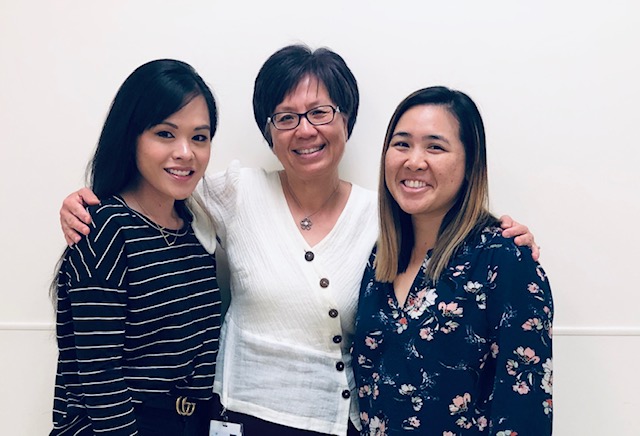
This specialty residency is a 12-month postgraduate program offered jointly by the University of Southern California (USC) Mann School of Pharmacy and Pharmaceutical Sciences and Huntington Hospital in Pasadena since 2000. This program centers on developing the resident with advanced competencies necessary to provide pharmaceutical care to patients with infectious diseases through direct clinical care, teaching in didactic and clinical settings, leading outcomes-driven antimicrobial stewardship program, and conducting clinical research in the area of infectious diseases. Past residents have been invited to present at national and/or international conferences and published first-authored papers on their research. The program is designed to provide high flexibility for tailoring the training towards the resident’s specific goals and interests. Graduates from this program have successfully obtained clinical faculty positions and infectious diseases specialist positions throughout SoCal and beyond; a few have pursued advanced research fellowship training.
Program Features
The PGY2 Infectious Diseases Pharmacy Residency Program is a one-year program. Rotations include a combination of required and elective rotations to ensure that the resident is exposed to a variety of patient populations, medications, disease states, range of complexity, and interdisciplinary team members. In addition, the resident will serve to provide administrative insights into the provision of pharmacy services within the hospital and contribute to perspectives for subsequent participation in clinical research, and/or administrative project activities.
Core Rotations Offered
- Infectious Diseases Consult Service
- Critical Care
- Internal Medicine
- Emergency Medicine
- Antimicrobial Stewardship
Elective Rotations Offered
- California Department of Public Health
- Infection Prevention & Control/Health Care Quality
- Immunocompromised Infectious Diseases
- Microbiology
Longitudinal Rotations Offered
- Microbiology
- Teaching Certificate through USC Mann School of Pharmacy
- Research and Quality Improvement Projects
Clinical Practice
The resident provides clinical services with a focus on anti-infective therapy through participation in medical system committees, antimicrobial stewardship program and patient care activities on the:
- Infectious Disease Consult Service
- Critical Care Service
- Internal Medicine Service
- Emergency Department
Huntington Hospital serves as the primary training site for the resident. The hospital is a 544-bed, non-profit community teaching hospital affiliated with Cedars-Sinai.
Clinical services include drug therapy monitoring and consultation to pharmacy and medical staff with an emphasis on anti-infective therapy. In addition, the resident participates in the antimicrobial stewardship program as a core member to ensure optimal use of antimicrobial therapy within the institution. Antibiogram trends will be tracked, antimicrobial prescribing patterns will be evaluated and feedback to prescribers as well as ongoing education on antimicrobial use will be provided to pharmacy, medical and other healthcare providers. The resident partakes in formulary management through the development and implementation of policies and procedures related to antimicrobial utilization as part of the effort for continuous quality improvement in anti-infective use.
Teaching
The resident is actively involved in:
- Leading conference sessions
- Providing didactic lectures
- Developing infectious disease case studies with preceptor supervision
- Serving as a role model for the students and pharmacy practice residents during their clinical clerkships in Infectious Diseases
- Presenting regular staff development lectures to pharmacy and medical staff at the clinical site on related topics
Education
The resident receives training via coursework and seminars in the following areas:
- Microbiology laboratory techniques
- Analytical methods
- Biostatistics/research methodology in preparation for participation in clinical investigations
The resident also attends one national infectious disease conference.
Research
The resident actively participates in all aspects of an infectious disease clinical investigation which include:
- Research study design
- IRB submission, data collection
- Data analysis
- Submission of manuscript for publication
- Presentation of findings at a national meeting of a professional organization (e.g. IDWeek)
Compensation and Benefits
The PGY-2 ID resident is entitled to the following benefits:
- Competitive annual salary
- 25 Paid Time Off (PTO) days
- Health (Medical, Dental and Vision) insurance plans
- Life insurance plans
Accreditation Status
Huntington Hospital’s PGY-2 Infectious Diseases Pharmacy Residency Program is accredited by the American Society of Health-System Pharmacists (ASHP).
How to Apply
Huntington Hospital’s PGY-2 Infectious Diseases Pharmacy Residency Program uses the ASHP PhORCAS for the application process and participates in the ASHP Residency Matching Program. Please submit application materials through PhORCAS, including:
- Curriculum vitae
- Official academic transcript from pharmacy school
- References (minimum of 3)
- Letter of intent
Qualified candidates will be contacted to schedule an interview,
Program Information
ASHP Code: 92993
NMS Match Number: 684155
Number of Positions: 1
Contact Us
If you have any questions regarding the program, please feel free to contact:
Pamela Ny, PharmD, BCIDP
Program Director, PGY2 Residency-Infectious Diseases
Infectious Diseases Specialty Pharmacist and
Antimicrobial Stewardship Program Co-Chair
Phone: (626) 397-5668 | Email: pamela.ny@huntingtonhealth.org
Annie Wong-Beringer, PharmD, FCCP, FIDSA
Program Contact, PGY2 Residency-Infectious Diseases
Infectious Diseases Specialty Pharmacist and
Antimicrobial Stewardship Program Co-Chair
Associate Dean for Research Affairs and
Professor of Clinical Pharmacy at
USC Mann School of Pharmacy and Pharmaceutical Sciences
Email: anniew@usc.edu